

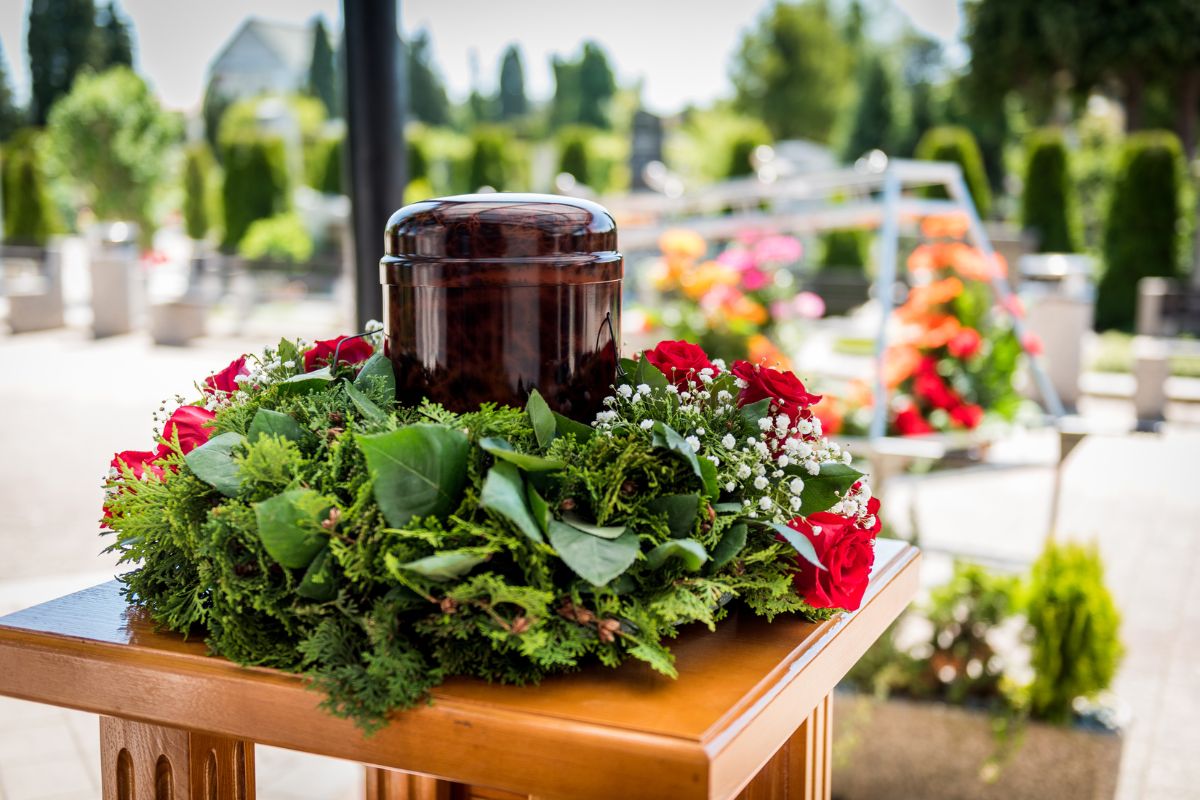
When a loved one passes away, many families feel an immediate expectation to plan a formal funeral service. While traditional services are meaningful for many, they are not the only way to honor a life. Some families choose not to hold a funeral at all, opting instead for quieter, more personal forms of remembrance that better reflect their loved one’s wishes or their own emotional needs.
Honoring a loved one without a funeral service can still be deeply respectful and meaningful. What matters most is intention, care, and choosing a path that feels right for your family.
Why Some Families Choose an Alternative to a Funeral
There are many reasons families decide not to hold a traditional funeral service. Some loved ones may have expressed a desire for simplicity, privacy, or minimal ceremony. Others may have lived lives that were informal by nature, making a formal service feel out of place.
For some families, grief itself makes the idea of planning a service overwhelming. Others may be separated by distance, time constraints, or financial considerations. Choosing not to hold a funeral does not diminish the importance of a life—it simply reflects a different approach to remembrance.
Letting Go of Expectations and Traditions
Cultural and social expectations often shape how we think a loss “should” be handled. However, honoring a loved one does not require following a specific script. Families today are increasingly choosing personalized approaches that focus on reflection rather than ceremony.
By stepping away from tradition, families often find space to grieve in ways that feel more natural. This freedom allows remembrance to unfold over time rather than being confined to a single event.
Private and Meaningful Family Moments
One of the most common alternatives to a funeral service is a private gathering with immediate family or close friends. These gatherings may take place in a home, a backyard, or a location that held meaning for the person who passed.
Without a formal structure, families can share memories, sit quietly together, or talk openly about their grief. These moments often feel more intimate and emotionally supportive than a traditional service.
Private gatherings can happen whenever the family feels ready—days, weeks, or even months later—allowing grief to settle before remembrance begins.
Personal Rituals That Reflect a Life
Some families choose to honor a loved one through personal rituals rather than organized events. These rituals may include lighting candles on anniversaries, creating memory books, or continuing a tradition the loved one cherished.
Others plant trees, dedicate benches, or make charitable donations in honor of their loved one. These acts of remembrance often provide ongoing comfort and create a sense of continuity rather than closure.
Personal rituals can be especially meaningful because they evolve over time, growing alongside the family’s healing process.
Everyday Remembrance Without Ceremony
For many families, honoring a loved one becomes part of everyday life rather than a single moment. Displaying photographs, keeping personal items, or sharing stories with children can be powerful ways to keep memories alive.
These quiet forms of remembrance allow families to stay connected without the emotional intensity that often accompanies formal services. Over time, these small acts can become sources of comfort rather than pain.
Choosing Simple Arrangements Without a Service
Families who choose not to hold a funeral often prefer arrangements that are straightforward and flexible. Options such as direct cremation without a formal gathering allow families to ensure dignified care while avoiding time-sensitive planning.
This approach removes pressure and allows families to focus on grief and healing rather than logistics. It also leaves open the possibility of honoring the loved one later in a way that feels right.
Support Beyond Immediate Arrangements
While some families prefer simplicity at the time of loss, others find comfort in preparing ahead or seeking guidance for future decisions. Services such as planning ahead for end-of-life arrangements allow individuals and families to document wishes, reduce uncertainty, and spare loved ones from difficult decisions later.
Advance planning can be especially valuable for families who value clarity and peace of mind. It ensures that choices reflect personal values and reduces stress during emotionally challenging moments.
Flexibility to Remember Later
Choosing not to hold a funeral does not mean families give up the opportunity to gather in the future. Many families decide to hold a memorial meal, a celebration of life, or a quiet remembrance at a later time when emotions feel more manageable.
These later gatherings often feel less overwhelming and more reflective, allowing families to focus on sharing stories and celebrating a life rather than managing immediate grief.
Respecting Individual Wishes
In many cases, the decision not to hold a funeral reflects the wishes of the person who passed. Some individuals feel strongly about avoiding formal services, preferring simplicity or privacy instead.
Honoring these wishes can be an important part of remembering who they were and how they lived. Respecting a loved one’s preferences often brings comfort and reassurance to grieving families.
Finding Guidance and Compassionate Support
Families who choose not to hold a funeral may still have questions or need reassurance. Grief does not follow a timeline, and support can be helpful at any stage.
If you need clarity about your options or want to talk through next steps, contact our team for compassionate, no-pressure guidance. Having someone explain choices calmly can ease uncertainty during a difficult time.
Choosing Care That Aligns With Your Values
Every family’s journey through loss is different. What matters most is choosing care that aligns with your values, your loved one’s wishes, and your emotional needs.Working with Care Cremation Service ensures respect, flexibility, and a personal choice that allows families to feel confident that their loved one is cared for with dignity, even without a formal service.




 Spanish
  English