
Oregon’s coastline, forests, rivers, mountains, and quiet natural spaces can hold deep meaning for families. For someone who spent a lifetime enjoying the outdoors, scattering their ashes in a favorite place may feel like a fitting and personal way to say goodbye.
Before choosing a location, however, it is important to understand that permission requirements can vary depending on who owns or manages the land. Oregon allows families considerable flexibility with cremated remains, but that does not mean ashes can be scattered anywhere without checking first.
Taking a little time to understand the rules can help your family create a respectful memorial without unnecessary complications.
Is It Legal to Scatter Ashes in Oregon?
Generally, cremated remains can be scattered in Oregon when you have the right to use the location for that purpose. According to guidance from the Oregon Mortuary and Cemetery Board, a person may scatter cremated remains on property they own or on private property when they have the specific permission of the property owner. Restrictions may apply on state and federal lands, so families should check with the agency responsible for a particular location before scattering there.
This distinction is important because a beautiful outdoor setting may be publicly accessible without necessarily allowing every activity.
Families arranging cremation services in Oregon can begin thinking about final placement early, even if they are not ready to make that decision immediately.
Scattering Ashes on Private Property
Private property can provide one of the simplest options.
If you own the property, Oregon guidance allows you to scatter cremated remains there. If someone else owns the property, obtain the owner’s specific permission first.
A family home, farm, garden, or other personally meaningful property may offer a quiet setting without the distractions of a public location.
Before choosing private property, think about its future as well. If the property is eventually sold, family members may no longer have access to the location. Families who want a permanent place to visit may prefer a cemetery, memorial garden, or another setting intended for long-term remembrance.
What About Oregon State Parks and Public Lands?
Oregon is filled with beautiful public spaces, making state parks and other public lands natural choices for many families.
However, public access does not automatically mean permission to scatter cremated remains.
Rules can differ according to the agency managing the property, and individual locations can also have temporary closures, environmental restrictions, or other requirements. Families considering a state park should check current Oregon State Parks information and contact park staff when necessary before making plans. Federal lands may have their own rules and permit requirements.
This is particularly important if you plan to bring a group together for the scattering. A larger memorial gathering may be subject to requirements that would not apply to an individual visitor.
Checking first allows the day to remain focused on remembrance rather than discovering an unexpected restriction after everyone arrives.
Scattering Along the Oregon Coast
The Oregon Coast can be especially meaningful for people who loved the ocean. Families may envision gathering beside the water, sharing memories, and releasing the ashes in a peaceful setting.
If you are considering a beach, coastal park, or another shoreline location, determine which government agency manages the specific site and confirm its current requirements.
Weather deserves consideration too. Coastal winds can make scattering more difficult than expected. Choosing a quiet day and paying attention to wind direction can help families avoid an uncomfortable situation.
If the plan involves scattering at sea rather than from land, federal requirements may also apply. Families should verify the applicable rules before arranging a boat trip or offshore ceremony.
Rivers, Lakes, and Other Waterways
Oregon’s rivers and lakes can carry strong personal connections, particularly for people who enjoyed fishing, boating, hiking, or spending weekends near the water.
As with other public locations, families should determine who manages the area before scattering ashes.
Environmental considerations matter as well. Avoid leaving plastic, artificial flowers, containers, ribbons, or other materials behind. A simple ceremony can be meaningful without introducing objects into the surrounding landscape or water.
Cemetery Scattering Gardens
For families who appreciate the idea of scattering but also want an established memorial location, a cemetery scattering garden may offer an alternative.
Oregon’s cemetery guidance recognizes scattering gardens as designated areas where cremated remains can be dispersed.
A designated location can provide families with a lasting place to return while still honoring a loved one’s preference for scattering rather than traditional burial.
Cemeteries establish their own services, policies, and costs, so families should speak directly with the cemetery they are considering.
You Do Not Have to Decide Immediately
After cremation, there is usually no reason to rush into scattering simply because you feel a decision must be made.
Families can keep cremated remains safely while considering different locations. Waiting can be particularly helpful when relatives need to travel, when weather conditions are poor, or when a meaningful anniversary or date would be more appropriate.
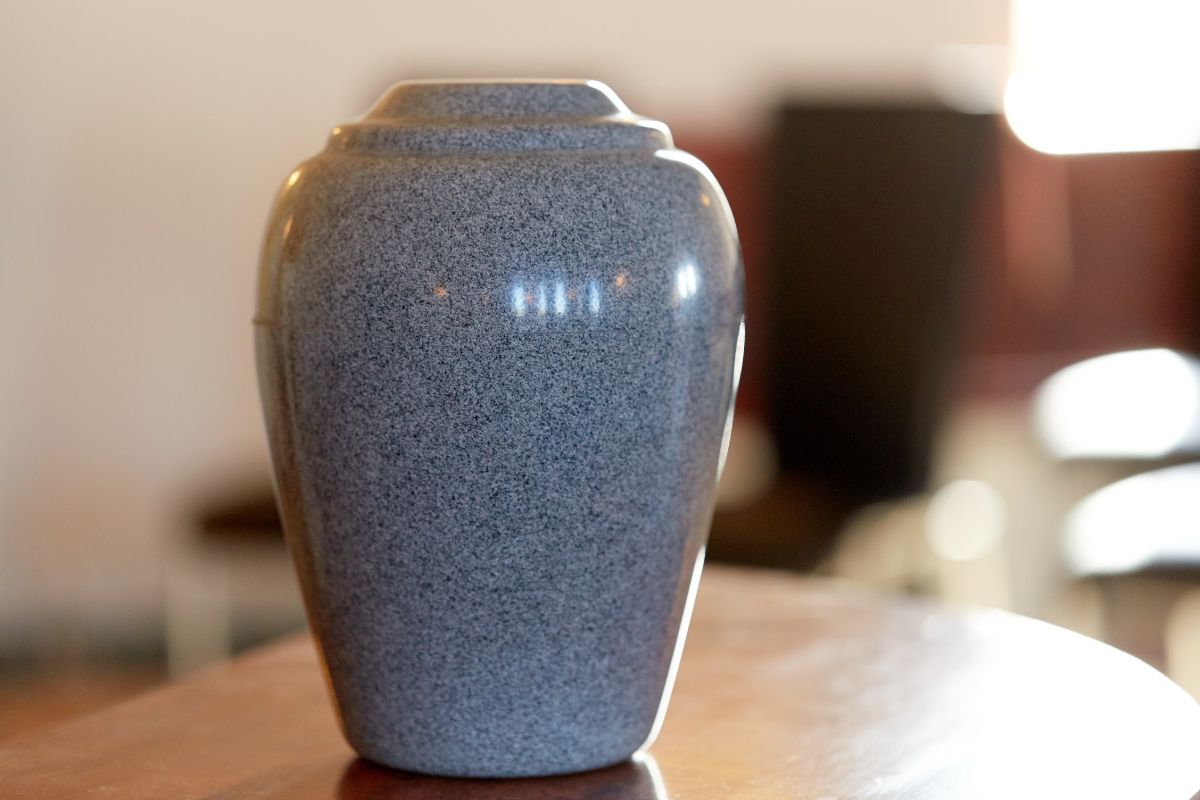
You may also decide to scatter only a portion of the ashes. Some families keep a small amount in an urn or keepsake while scattering the remainder somewhere meaningful.
People who already have strong preferences can include those wishes when they pre-arrange their cremation. Leaving instructions about a preferred location can spare family members from having to guess later.
Planning a Simple Scattering Ceremony
A scattering ceremony does not have to be elaborate to be meaningful.
Family members might share a few memories, read a favorite passage, play meaningful music, or simply spend a few quiet minutes together before scattering the ashes. The setting itself may provide much of the significance.
Consider accessibility when choosing a location. A remote hiking trail might have been special to your loved one, but it may not be practical for elderly relatives or family members with limited mobility. In that situation, a more accessible nearby location could allow everyone to participate.
Families looking for additional information about remembrance and cremation can explore helpful cremation resources while considering what kind of gathering feels appropriate.
Choosing a Place With Meaning
The most memorable scattering locations are not necessarily Oregon’s most famous destinations. Often, they are places connected to ordinary moments that mattered deeply to the person who died.
It might be a family property where generations gathered, a peaceful outdoor setting, or another location associated with meaningful memories.
Whatever place you choose, confirm permission beforehand and respect the rules established by the property owner or managing agency. Oregon’s Mortuary and Cemetery Board specifically advises families to check restrictions for state and federal lands rather than assuming scattering is permitted.
If you are making cremation arrangements and have questions about what happens after cremation, compassionate cremation guidance for Portland-area families can help you understand your choices without rushing an important decision.
A thoughtful scattering can become a quiet and lasting tribute, giving family and friends a meaningful place and moment to remember someone they love.




 Spanish
 English