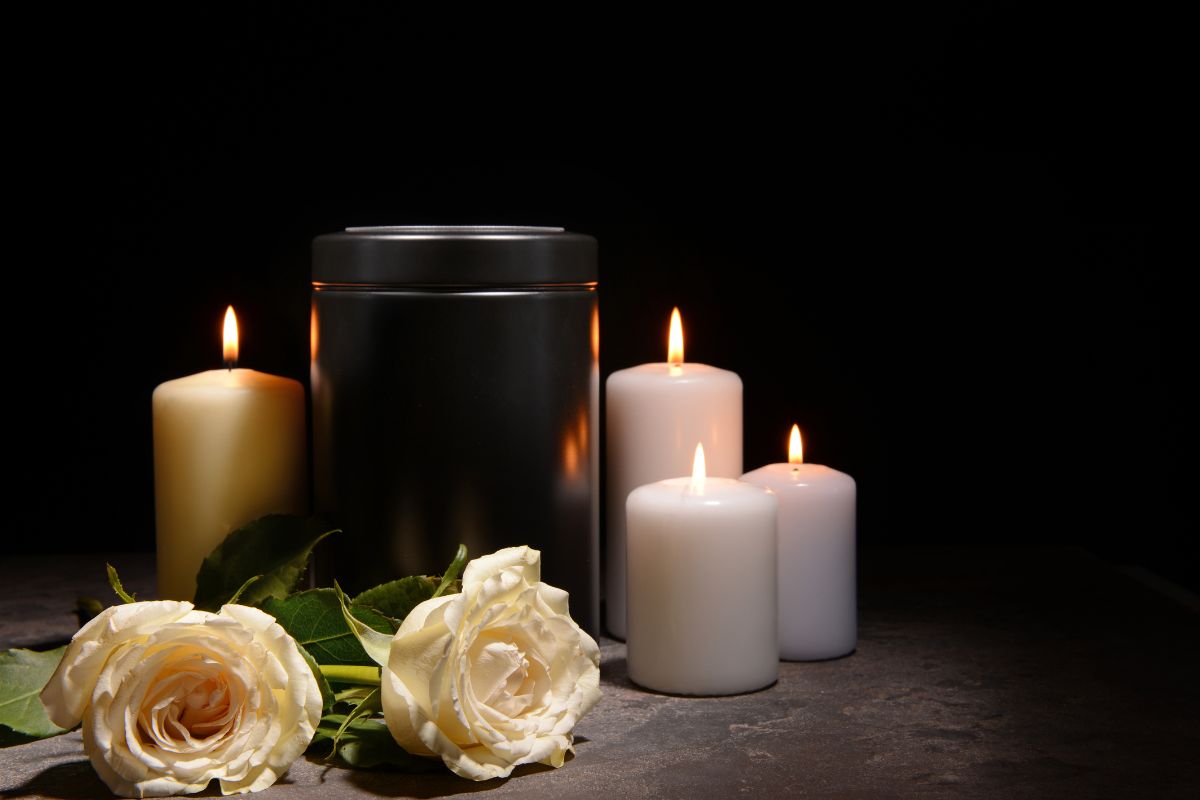
Across Oregon, more families are choosing direct cremation as an alternative to traditional funeral services. This growing preference reflects changes in family values, financial considerations, and the desire for flexibility during an emotionally difficult time. For many, direct cremation offers a simpler, more personal way to care for a loved one while still honoring their life with dignity and respect.
Understanding why direct cremation has become more common can help families determine whether it aligns with their needs, beliefs, and circumstances.
What Direct Cremation Means
Direct cremation is the process of cremating a loved one without a viewing or formal funeral service beforehand. After the cremation, families may choose to hold a memorial or celebration of life at a later time—or may decide that a private remembrance is sufficient.
This approach removes the pressure of planning an immediate service while grief is still fresh. Families are given time to process their loss before deciding how, when, or if they would like to gather.
Changing Priorities for Oregon Families
One reason direct cremation is becoming more popular in Oregon is the way families live today. Many families are spread across different cities or states, making it difficult to gather quickly for a traditional service. Others may prefer smaller, more intimate gatherings rather than formal ceremonies.
Direct cremation allows families to focus on what feels most meaningful to them, without feeling bound by traditional timelines. Memorials can be held weeks or months later, allowing loved ones to travel and participate when they are ready.
Reducing Stress During a Difficult Time
Grief often makes decision-making overwhelming. Planning a traditional funeral can involve many immediate choices, from service details to merchandise selections, all during a time of emotional exhaustion.
Direct cremation simplifies the process by limiting urgent decisions. This can provide families with breathing room—space to grieve, reflect, and support one another without added pressure.
Many families appreciate working with providers such as Care Cremation Service because the focus is on handling essential arrangements with care and clarity, allowing families to move at their own pace.
Greater Transparency Around Costs
Cost transparency is another significant reason families choose direct cremation. Traditional funeral services often include many components, some of which may not be important to every family. These added elements can increase costs quickly and sometimes unexpectedly.
Direct cremation typically offers a straightforward pricing structure that includes only what is necessary. Families are often comforted by knowing the total cost upfront, without concerns about hidden fees or pressure to add services they do not want.
For families seeking affordability without sacrificing dignity, this clarity can be especially reassuring.
Flexibility in How Loved Ones Are Remembered
Choosing direct cremation does not limit how a life is honored. In many cases, it expands the possibilities. Families are free to create memorials that reflect the individual rather than following a prescribed format.
Some families choose a traditional memorial service later, while others may prefer:
- A small gathering at home
- A celebration of life in a favorite park or outdoor space
- A private moment with immediate family
- No formal service at all
This flexibility allows families to honor their loved one in ways that feel authentic and personal.
Environmental Considerations
For some Oregon families, environmental impact plays a role in end-of-life decisions. Direct cremation may be appealing to those who prefer fewer materials and less land use compared to traditional burial practices.
While every option has environmental considerations, families who value simplicity often feel that direct cremation aligns more closely with their personal values and lifestyle.
Cultural Shifts Around End-of-Life Choices
Attitudes toward death and memorialization have evolved. Many families today feel less connected to formal traditions and more interested in choices that reflect individuality and personal meaning.
Direct cremation fits naturally within this cultural shift. It allows families to step away from rigid expectations and instead focus on remembrance that feels sincere and appropriate for their loved one.
This sense of choice and control can be comforting during a time when so much feels uncertain.
The Role of Making Arrangements in Advance
As families become more familiar with direct cremation, many begin to consider documenting their own wishes ahead of time. Planning in advance allows individuals to outline their preferences clearly and helps prevent confusion or disagreement later.
Advance arrangements also give families time to understand costs and options without emotional urgency. Those interested in learning more can explore information about preparing cremation arrangements ahead of time, which explains how planning early can reduce stress for loved ones.
Access to Clear and Supportive Information
Making informed decisions requires access to reliable information. Families often benefit from learning about cremation options, timelines, and legal considerations before choosing a provider.
Educational materials that explain the process in clear, compassionate language can help families feel more confident. Many turn to collections of practical funeral guidance and cremation education that address common concerns without pressure or complexity.
A Meaningful Choice for Many Oregon Families
The growing popularity of direct cremation in Oregon reflects a broader desire for simplicity, transparency, and flexibility. For many families, it offers a way to care for their loved one with dignity while avoiding unnecessary stress during an already difficult time.
Direct cremation is not the right choice for everyone, and that is okay. What matters most is that families feel informed, supported, and free to choose the option that best aligns with their values and needs.
By understanding why direct cremation continues to grow in popularity, families can approach this decision with greater clarity—knowing that honoring a life is about intention, care, and remembrance, not about following a specific tradition.




 English
  Spanish